Best Flooring for Pets in Toronto Homes: A 2026 Installer Guide
Dogs scratch. Cats slip. Accidents happen. Here is which flooring actually survives pet ownership in a Toronto home — and which ones get returned after six months.
9 min read | Updated 2026-05-28 | By Flooration Install Team
The short answer: luxury vinyl plank wins for most Toronto pet owners
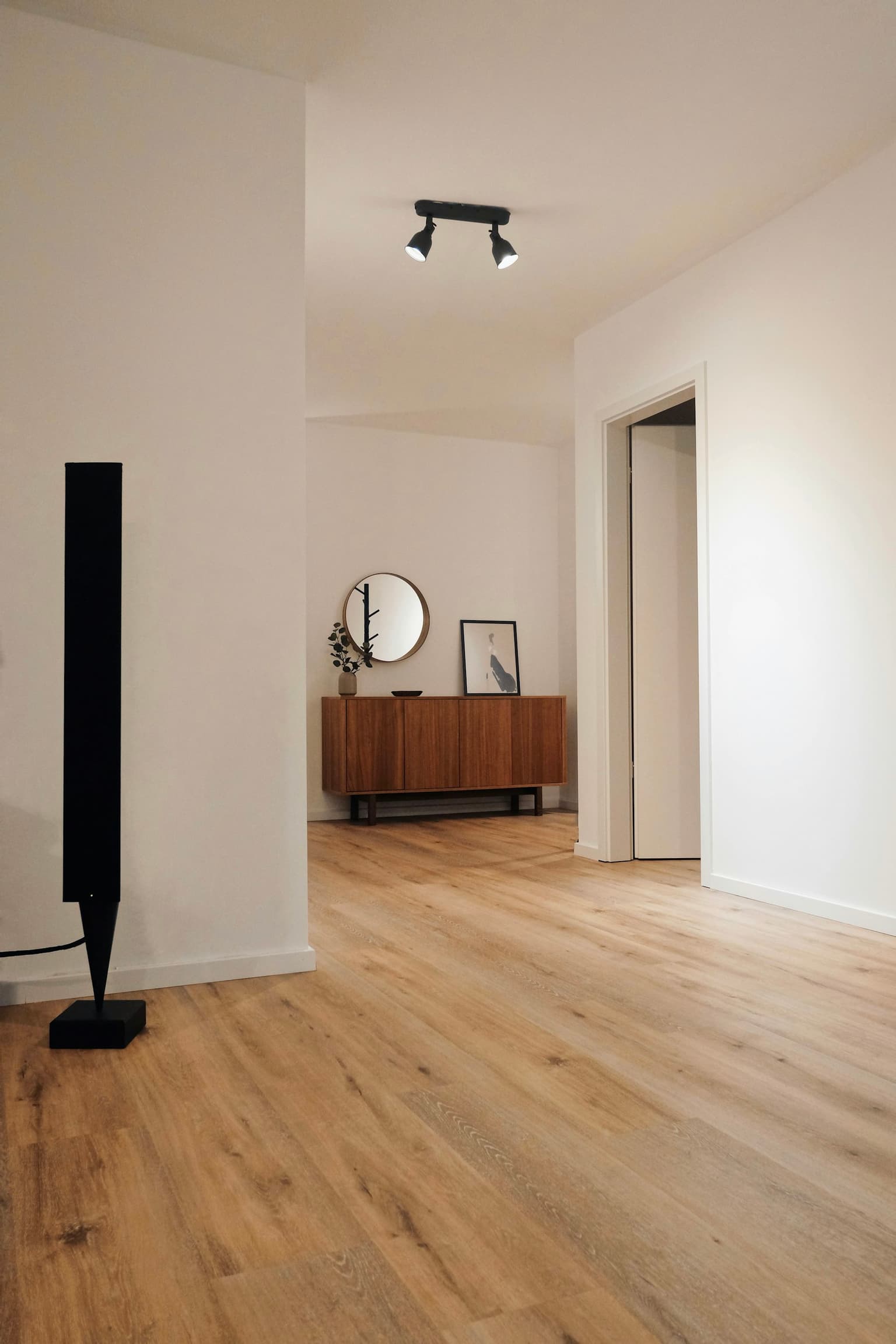
For most homes with dogs, cats, or both, luxury vinyl plank (LVP) is the single most forgiving floor on the market in 2026. The wear layer takes claws without scratching through, the joints are waterproof against urine, vomit, and water-bowl spills, and the foot-feel beats tile in winter.
Tile is the only floor that beats LVP on long-term durability, but it loses on comfort, claw traction, and joint replacement. Engineered hardwood, laminate, and carpet all have specific pet-related failure modes that show up within a year or two.
The full picture matters because the wrong floor in a pet household does not just look bad — it gets replaced. The cost of replacing a floor at year three is almost always higher than the cost of choosing the right one at year zero.
What pets actually do to flooring
Before comparing products, it helps to know what causes pet-related floor failure in the first place. Five mechanisms account for almost every complaint we hear.
• Claw scratching: dogs over 30 lbs and any cat with regular zoomies will scratch a finish. The depth depends on the wear layer thickness, not the surface coating.
• Urine penetration at seams: even a quick accident can seep into the locking joint of a click floor. If the core swells, the joint lifts permanently.
• Water-bowl edge damage: a dripping water bowl is a 24/7 moisture source. Floors near water bowls fail first.
• Skidding on smooth finishes: dogs slip on glossy hardwood and polished tile, which causes hip strain over time and stress for the pet.
• Stain absorption: vomit, bile, blood, and oily fur leave marks on porous surfaces (untreated wood, light grout, light carpet) that often cannot be cleaned out.
Once these five mechanisms are clear, comparing flooring becomes a question of which product resists each one — not which one looks the most pet-friendly in a showroom photo.
Luxury vinyl plank for dogs and cats: where it earns its reputation
LVP performs well on every one of the five pet failure modes when the product is mid-tier or better.
• Scratch resistance: a 20 mil wear layer (commercial grade) shrugs off claws from dogs up to 100 lbs. A 12 mil wear layer is fine for most residential dogs. Below 12 mil, expect visible scratching within two years.
• Waterproof joints: rigid-core LVP (SPC or WPC) is waterproof at the core and tongue-and-groove. Urine, vomit, and water-bowl drips sit on the surface until cleaned.
• Traction: matte and low-sheen LVP gives dogs better grip than glossy hardwood or polished tile. Embossed plank textures add additional traction without feeling rough underfoot.
• Comfort: LVP is warmer than tile in February and quieter than laminate. Senior dogs lie on it without complaint.
• Stain resistance: the wear layer is the same urethane technology used in commercial flooring. Vomit and bile clean off with a damp cloth and pet-safe cleaner.
The catch: not all LVP is created equal. A 6 mil wear layer is barely better than laminate for scratch resistance, and a glue-down LVP installed over a flexing subfloor will fail at the joints regardless of wear layer. The product spec sheet matters more than the brand.
Tile flooring for pets: the most durable option, with caveats
Porcelain tile is the most durable pet flooring available. It does not scratch, it does not stain, it cleans with bleach, and it lasts decades. For homes with multiple large dogs, mud rooms, or pet washing stations, it is the right answer.
The caveats are comfort and safety. Tile is cold on Toronto winters unless paired with radiant in-floor heat. Polished tile is slippery — pets with hip dysplasia, senior dogs, and rambunctious puppies struggle on it. Matte porcelain or honed natural stone solves the slip problem but costs more.
Grout is the weak point. Light grout absorbs pet urine and oils, darkening into a stain map of every accident. Dark grout hides marks but shows fur. Sealing the grout every 12 to 18 months is a maintenance reality, not an optional step.
For Toronto homes, tile in entries, mud rooms, kitchens, and bathrooms makes sense with LVP through the rest of the home. Full-tile installations work for specific lifestyles but the trade-offs on comfort are real.
Hardwood and engineered hardwood with pets: manageable but not forgiving
Hardwood is the floor pet owners want and the floor pet behaviour challenges most. Real wood is scratchable, stainable, and prone to urine damage. None of these failure modes are catastrophic if the household is calm and the finish is appropriate, but they are real considerations.
For pet households committed to hardwood, the species and finish matter more than the brand.
• Species: harder species (hickory at 1820 Janka, white oak at 1360, hard maple at 1450) resist denting better than softer species (red oak at 1290, pine at 690). Hickory is the most scratch-tolerant of the common Toronto species.
• Finish: aluminum oxide factory finishes are the most scratch-resistant. Site-finished oil finishes mark easier but are dramatically easier to spot-repair. Water-based polyurethane sits between the two.
• Plank width and texture: wire-brushed or hand-scraped textures hide scratches better than smooth planks. Wider planks (6+ inches) show damage more visibly than narrower planks.
For Toronto pet households that want hardwood, engineered hardwood with a thick wear layer (4mm or 6mm), a wire-brushed texture, and a factory aluminum oxide finish is the most defensible choice. Solid hardwood is workable but requires more tolerance for the patina that pets create over the years.
Laminate flooring with pets: the trap to avoid
Laminate is the flooring most often returned by Toronto pet owners. The reasons are predictable and worth understanding before buying.
• Surface scratches: laminate wear layers are thin compared to LVP. Claws from medium and large dogs leave visible white scratches that cannot be repaired.
• Joint swelling: laminate cores are fibreboard. Urine, vomit, or water-bowl drips that reach a seam wick into the board and swell it permanently. The lifted joint is not repairable without replacing planks.
• Slipping: laminate finishes are typically glossy, giving pets poor traction.
• Sound: claws on laminate over a hollow underlayment sound like a tap-dance routine. The acoustic profile is grating.
Waterproof laminate exists in 2026 and is genuinely improved over earlier generations, but the scratch problem is unchanged. For pet households, the budget gap between laminate and entry-level LVP is small enough that LVP is almost always the better long-term value.
Carpet for pets: when it works and when it does not
Carpet is the worst floor for pet odour, stain, and allergen control — except in three specific cases where it is the right answer.
• Stairs: dogs slip on hard-surface stairs. Carpet on stairs prevents hip injuries in older dogs and gives puppies confidence. A short-pile, solution-dyed nylon carpet on stairs is a defensible choice for any pet household.
• Bedrooms: if the dog or cat sleeps in a specific room, a short-pile carpet in that room is forgivable. The trade-off is replacement every 5 to 7 years instead of 15.
• Basements with no pets allowed: if the pets do not use the basement, carpet there is fine.
For main-floor open living areas in a pet household, carpet is rarely the right call. The cleaning effort never ends, the stains compound, and the resale impact is real.
If carpet is the right answer for a specific room, three product specs make it pet-tolerable: solution-dyed fibre (colour is locked into the strand, so bleach-cleaning is possible), short pile (under 1/2 inch), and a moisture-barrier pad. These three together survive most household pets for a normal carpet lifespan.
Subfloor and installation method matter as much as the product
A pet-rated LVP installed over a flexing subfloor will still fail. The installation method matters as much as the product spec.
For LVP in pet homes, the locking floor should be installed floating over a flat subfloor with attached or separate acoustic underlayment. For larger dogs or homes with concentrated pet traffic, glue-down LVP eliminates the click-joint failure point but costs more in labour.
For tile, the substrate matters: large-format porcelain (24x48 and up) over an uncoupling membrane survives concentrated pet activity better than standard tile over thinset alone. The membrane absorbs the micro-movement that cracks grout lines over time.
For hardwood, nail-down installation over a structural subfloor handles claw impact better than floating engineered hardwood. The floor is locked to the framing, so claw strikes do not flex the joints.
A good installer asks where the dog water bowl goes, where the cat litter sits, where the dog sleeps, and where the high-traffic pet zones are — and adjusts the layout, transitions, and joint placement accordingly. Generic installs do not survive pets the way thought-through installs do.
Decision matrix: pick the floor for the household, not the showroom
Choose LVP if any of the following apply (and most do for typical Toronto pet households):
• Multiple dogs or any dog over 40 lbs.
• Cat households with active indoor cats.
• Open-concept main floors with kitchen, living, and dining as one space.
• A mid-range budget is the priority.
• Tenants present or expected.
Choose porcelain tile if all of the following apply:
• Single-room or mud-room scope (entries, kitchens, laundry).
• Radiant in-floor heat is in scope or already present.
• Dogs are senior or have hip/joint concerns (matte finish only).
• Cleaning intensity is the top priority over comfort.
Choose engineered hardwood with realistic expectations if:
• Pets are smaller, calmer, and trained.
• A wire-brushed or hand-scraped finish is acceptable.
• The look of real wood matters more than perfect long-term condition.
• A premium budget is available and a patina is welcome rather than feared.
Skip laminate for pet households. Skip wall-to-wall carpet on main floors. Use carpet selectively for stairs, bedrooms, or pet-free rooms.
The right pet-friendly floor is the one that survives the household for 15 years without anyone resenting the choice. For most Toronto homes, that floor is mid-tier LVP installed by a crew that knows what to ask about the pets before they start cutting.
Frequently Asked Questions
More Flooring Guides
Related Reading
6 min read
LVP vs Laminate for Toronto Basements: A Decision Guide
Basements punish the wrong flooring choice. LVP and laminate can both work, but they solve different problems. Here is the decision matrix from a Toronto installer.
Read guide4 min read
Hardwood vs Engineered Hardwood in Toronto Homes
Solid hardwood is not automatically better. The right choice depends on the room, subfloor, humidity, and installation method.
Read guideLocal Flooring Pages