
Hardwood vs Engineered Hardwood in Toronto Homes
Solid hardwood is not automatically better. The right choice depends on the room, subfloor, humidity, and installation method.
4 min read | Updated 2026-04-25
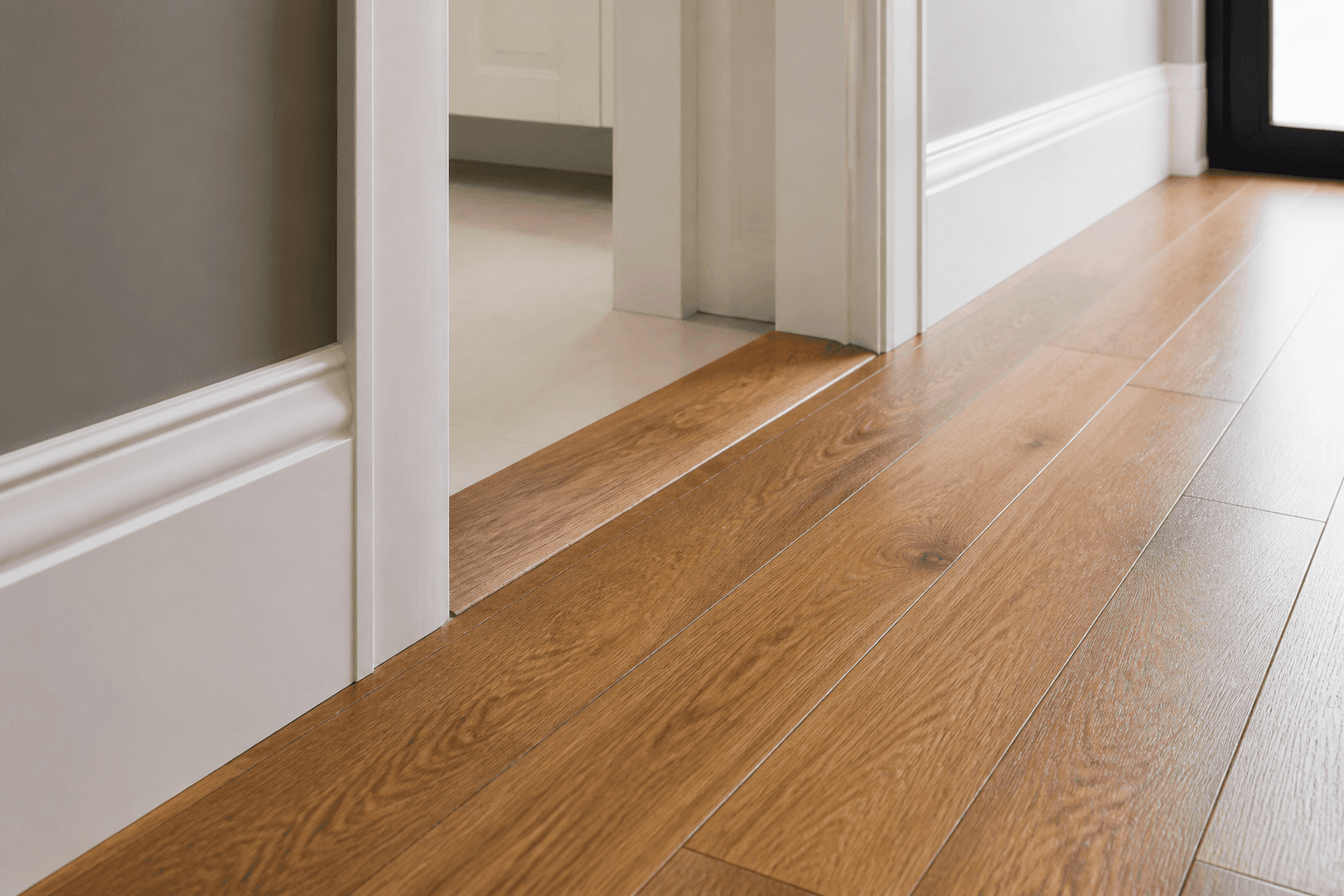
Solid hardwood is a long-term floor, but it has limits
Solid hardwood has a classic feel and can be refinished multiple times depending on thickness and condition. It is best suited to stable, above-grade spaces where the subfloor and humidity range are appropriate.
In older Toronto homes, checking the subfloor matters. Squeaks, height changes, old boards, and radiator-era rooms can affect the installation plan.
Engineered hardwood is often more flexible
Engineered hardwood uses a real wood wear layer over a more stable core. That can make it a better fit for condos, wider planks, glue-down installs, and some areas where solid hardwood is less practical.
The quality range is wide. Wear layer thickness, core construction, finish, and installation instructions matter more than the label on the box.
Match the floor to the house, not just the sample
Samples tell you colour and texture. They do not tell you how the floor handles your subfloor, stairs, transitions, humidity, or room layout.
Before choosing between solid and engineered hardwood, get the room conditions checked and confirm the installation method. That decision will affect both cost and how the floor performs.
Frequently Asked Questions
More Flooring Guides
Related Reading
6 min read
How Toronto Humidity Affects Hardwood Flooring
Toronto homes swing from 60% relative humidity in summer to 15% in winter. Here is what that does to hardwood, and how to install floors that can handle it.
Read guide8 min read
Heated Floors and Flooring Choice in Toronto: What Works Over Radiant
In-floor heat changes which flooring you can install. Some products de-rate above 28°C. Some void warranty over radiant. Here is what actually works.
Read guide4 min read
Best Flooring for Toronto Condos
Condo flooring is rarely just about colour. Sound rules, door clearance, elevator bookings, and the slab underneath usually decide what will work well.
Read guideLocal Flooring Pages