
How to Choose a Flooring Installer in Toronto: A Homeowner Checklist
The cheapest flooring quote can become expensive if it skips prep. Here are the ten questions to ask, the red flags to watch for, and what a good written quote should contain.
7 min read | Updated 2026-04-25
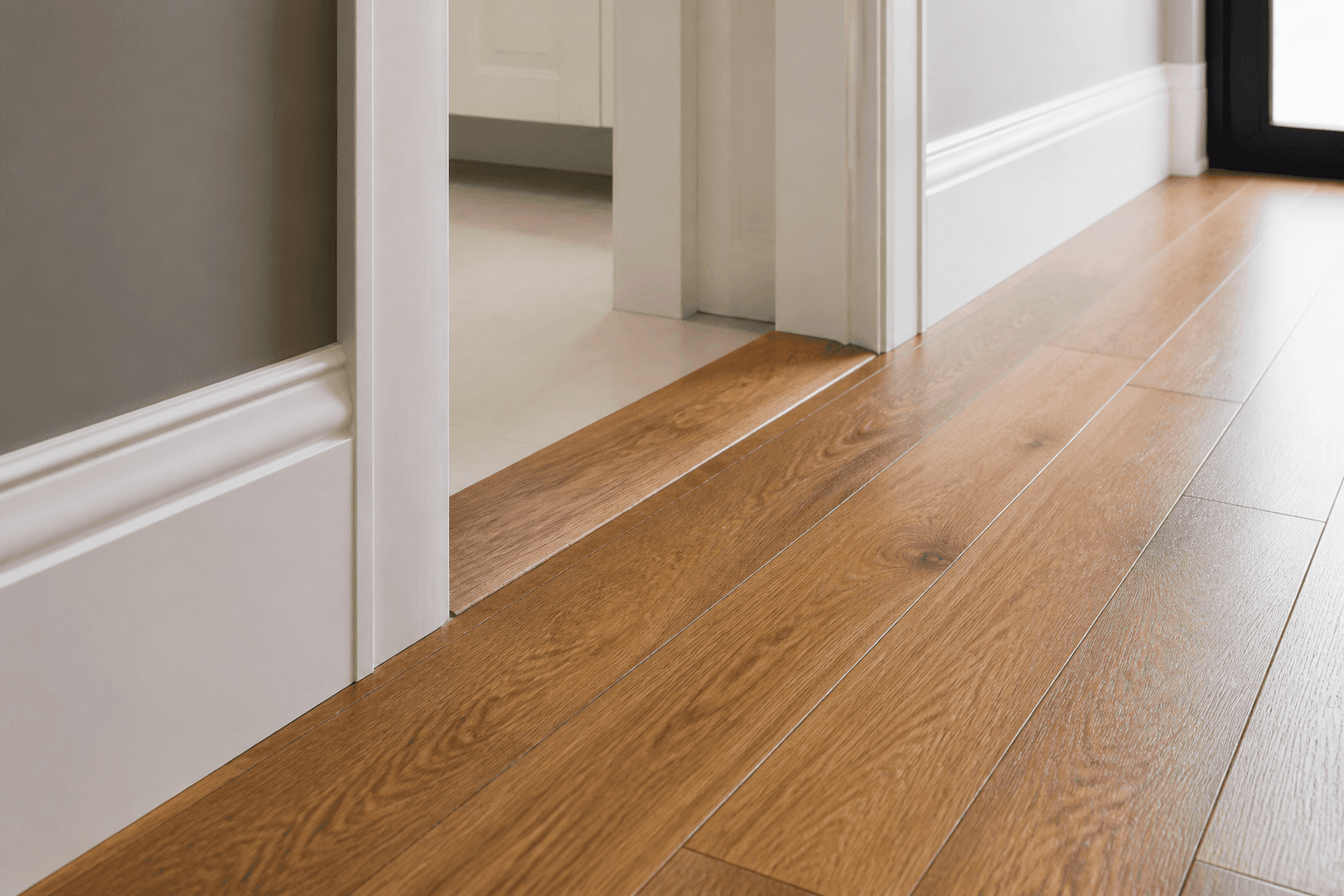
Ten questions to ask before signing a flooring installation contract
When comparing Toronto flooring installers, these ten questions reveal more than a square-foot price ever does.
1. Will the installer who quotes the job also do the install, or is it being subcontracted?
2. Is the quote itemized for labour, removal, disposal, underlayment, trim, transitions, and stairs separately?
3. How is subfloor flatness checked, and what happens if leveling is required after demolition?
4. Who is responsible if the existing subfloor has hidden damage (squeaks, water staining, broken plywood)?
5. What product warranty conditions need to be met for the install to qualify?
6. Are baseboards removed and reinstalled, or is quarter round used to cover the gap?
7. How are stairs priced — per tread, per staircase, or as part of square footage?
8. Who handles elevator bookings, parking permits, and condo move-in coordination?
9. What does cleanup include, and who is responsible for haul-away of old flooring?
10. Can the installer show photos of comparable past work in the GTA?
An installer who answers these directly is usually the one whose quote will not change after work begins.
What a good written quote should contain, line by line
A flooring quote that protects both sides should include each of the following as separate items, not lumped together.
• Room-by-room square footage (so disagreements can be settled by re-measuring rather than arguing).
• Product name, manufacturer, colour, plank size, and installation method (floating, glue-down, nail-down).
• Underlayment specification and whether it is included.
• Subfloor prep allowance — a stated dollar amount for minor leveling, with a clear process if more is needed.
• Removal and disposal of existing flooring, named by type (carpet, laminate, tile, hardwood).
• Trim work: quarter round, baseboards, transitions, reducers, stair nosing.
• Stair count, including treads, risers, landings, and finish detail.
• Furniture handling: which pieces are moved by the crew and which are not.
• Timeline: estimated start date, install duration, and acclimation period for hardwood.
• Payment schedule: deposit, progress payments, and final payment terms.
• Warranty terms for labour and product separately.
A quote that fits on one page is usually one missing something.
Red flags to watch for in Toronto flooring quotes
Some patterns reliably signal trouble later in the project.
• The installer quotes without a site visit. Toronto flooring conditions vary too much to quote accurately from photos or square footage alone.
• The quote uses "approximately" for square footage but a firm dollar number.
• Subfloor prep is excluded with a note that "leveling is extra if needed" but no dollar range provided.
• Stairs are not separately priced.
• Removal is "included" with no specification of what material is being removed.
• The installer cannot show proof of liability insurance or WSIB clearance.
• The communication is exclusively over text with no detailed written agreement.
• A large deposit is requested before any work begins (more than 25 to 30 percent is a meaningful flag).
• The installer pressures a same-day decision with a "limited time" discount.
Honest quotes survive scrutiny. Quotes that disappear when asked to itemize usually contain assumptions that benefit only the installer.
Insurance, WSIB, and what Ontario contractors should carry
For flooring work in Ontario, two coverage items genuinely matter.
• Commercial general liability insurance covers damage to the property during installation. Reputable installers carry $2 million in coverage and can provide a certificate. This protects the homeowner if a tool drops on a window, a hose damages a ceiling below, or a finished product is scratched during installation.
• WSIB clearance (Workplace Safety and Insurance Board) covers injury to workers during the job. If an uninsured worker is hurt on a homeowner property, liability can extend to the homeowner. A WSIB clearance certificate is free for the installer to provide and free for the homeowner to verify online.
For any significant flooring project, asking for both certificates is normal. Any contractor who treats the request as unusual or burdensome is signalling something worth paying attention to.
How to compare three Toronto flooring quotes fairly
When three installers quote the same job, the lowest number often wins by default. That is rarely the right call. A fair comparison looks at scope first, price second.
Create a simple table: rows for each installer, columns for product, removal, prep allowance, trim work, stairs, disposal, insurance certificate, warranty terms, and timeline. Fill the table from each quote. Differences in price usually map to differences in this table.
If one installer is noticeably cheaper but excludes leveling, removal, and stair work, the gap closes once those line items are accounted for. If the cheaper quote is genuinely complete and comparable, the table will show it.
The right Toronto flooring installer is rarely the cheapest or the most expensive. It is the one whose written scope matches the project the homeowner actually has.
Frequently Asked Questions
More Flooring Guides
Related Reading
4 min read
What to Check Before Flooring Installation Day
A smooth install usually starts before the installer arrives. These are the details that prevent delays.
Read guide7 min read
How Long Does Flooring Installation Take in Toronto? A Realistic Timeline
A 1,000 sq ft condo is not the same as a 1,000 sq ft house. Here is how long flooring installation actually takes in Toronto — from measurement to the last baseboard.
Read guideLocal Flooring Pages