
What to Check Before Flooring Installation Day
A smooth install usually starts before the installer arrives. These are the details that prevent delays.
4 min read | Updated 2026-04-25
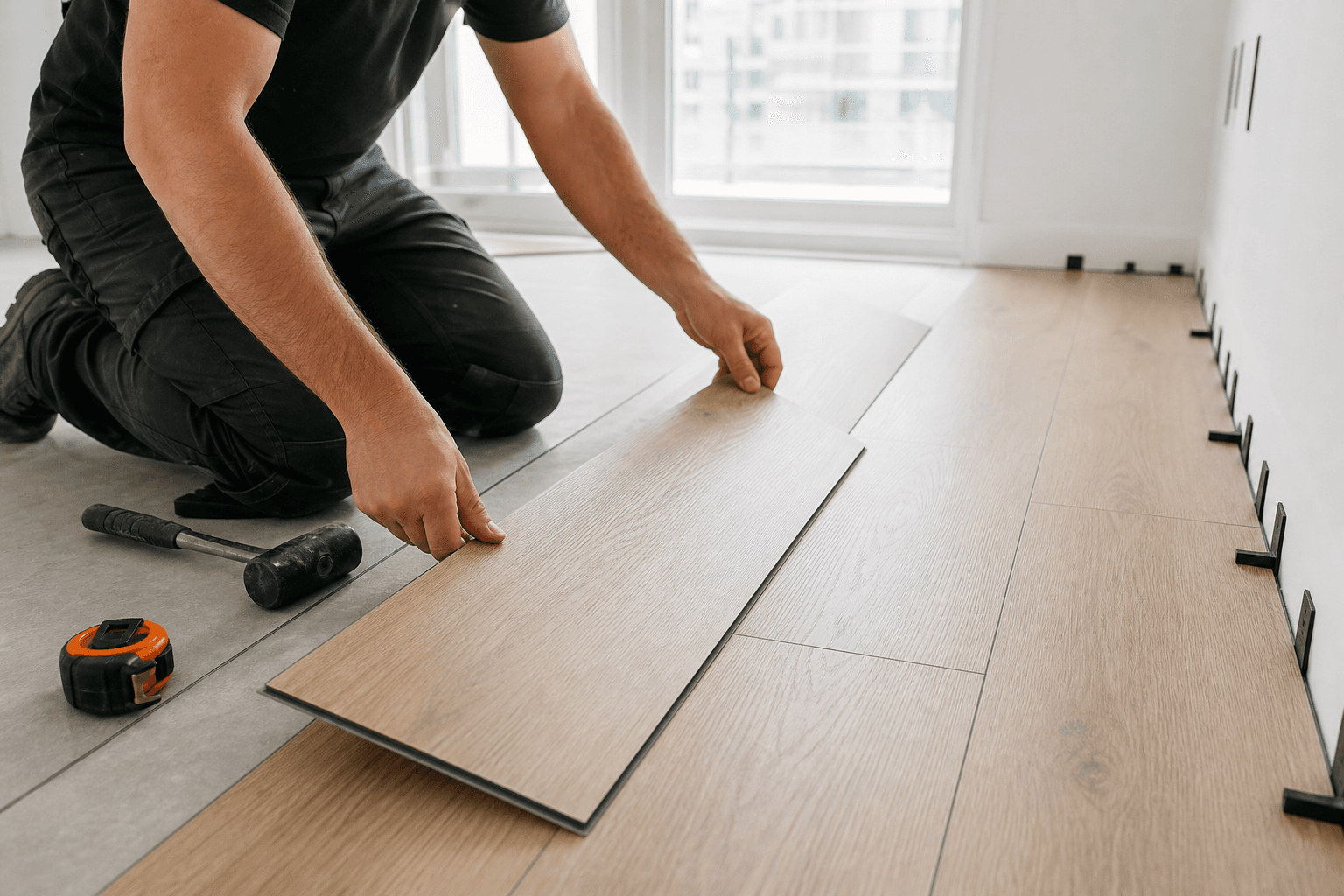
Confirm what is moving and what is staying
Furniture, appliances, closet contents, and baseboards all affect timing. Some items can be moved room by room. Others need to be cleared before work starts. Heavy appliances may need special handling to avoid damaging the new floor.
If you live in a condo, check elevator bookings, working hours, loading areas, and disposal rules before installation day.
Have the flooring and trim details ready
Material should be on site before the installer arrives, with enough extra for cuts and waste. Hardwood and some engineered products may need acclimation. Transitions, stair nosing, vents, and matching trim should be discussed before the first row is installed.
If a product has unusual instructions, send them over early. The installation method should follow the manufacturer requirements.
Expect surprises under old floors
Old floors can hide loose boards, cracked patch, staples, water staining, uneven concrete, or layers of previous work. Not every surprise is expensive, but it should be addressed before covering it.
The right installer will explain the issue, the fix, and whether it affects schedule or price.
Frequently Asked Questions
More Flooring Guides
Related Reading
7 min read
How Long Does Flooring Installation Take in Toronto? A Realistic Timeline
A 1,000 sq ft condo is not the same as a 1,000 sq ft house. Here is how long flooring installation actually takes in Toronto — from measurement to the last baseboard.
Read guide7 min read
How to Choose a Flooring Installer in Toronto: A Homeowner Checklist
The cheapest flooring quote can become expensive if it skips prep. Here are the ten questions to ask, the red flags to watch for, and what a good written quote should contain.
Read guideLocal Flooring Pages